AI Camp Cologne
with Microsoft & Elastic
At the first Kölner AI Camp, two complementary tech talks showcased how Microsoft Foundry and Elastic on Azure help move generative AI from fragile PoCs to governed, cost-effective production systems.
‘”Join us for an evening of deep technical dives and networking! This developer night explores the critical path of taking AI agents from concept to production on Azure. We will go beyond basic AI demos to tackle the real-world challenges of identity, strict data authorization, and observability using the combined power of Microsoft and Elastic.” ~ Dr. Cédric Reuter, KölnBusiness Economic Development Agency
Venue
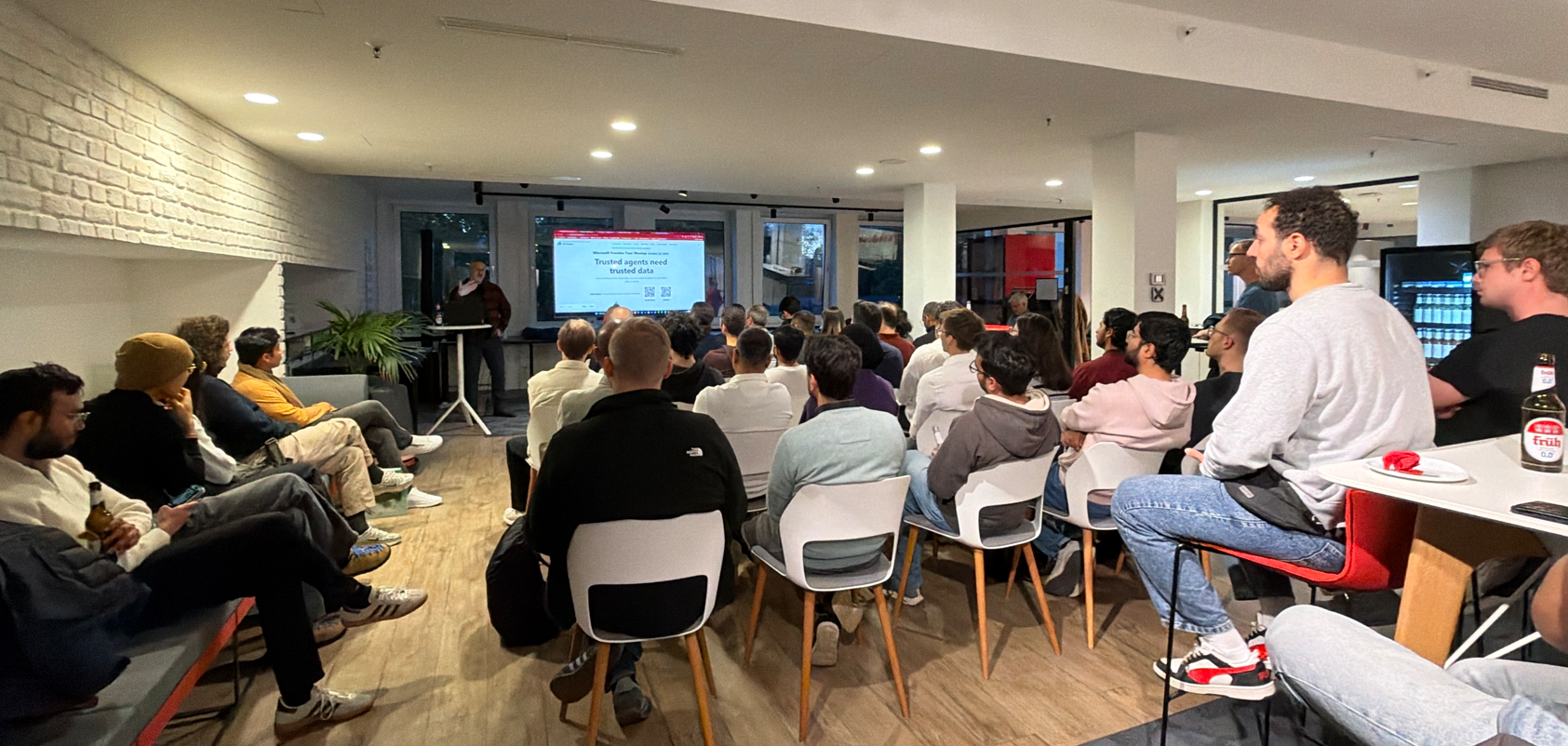
The 1st AI Camp took place in Cologne at KölnBusiness Wirtschaftsförderung. The Developer Night was held under the motto:
“General AI demos are easy. Production–ready agents that pass security testing are not.”
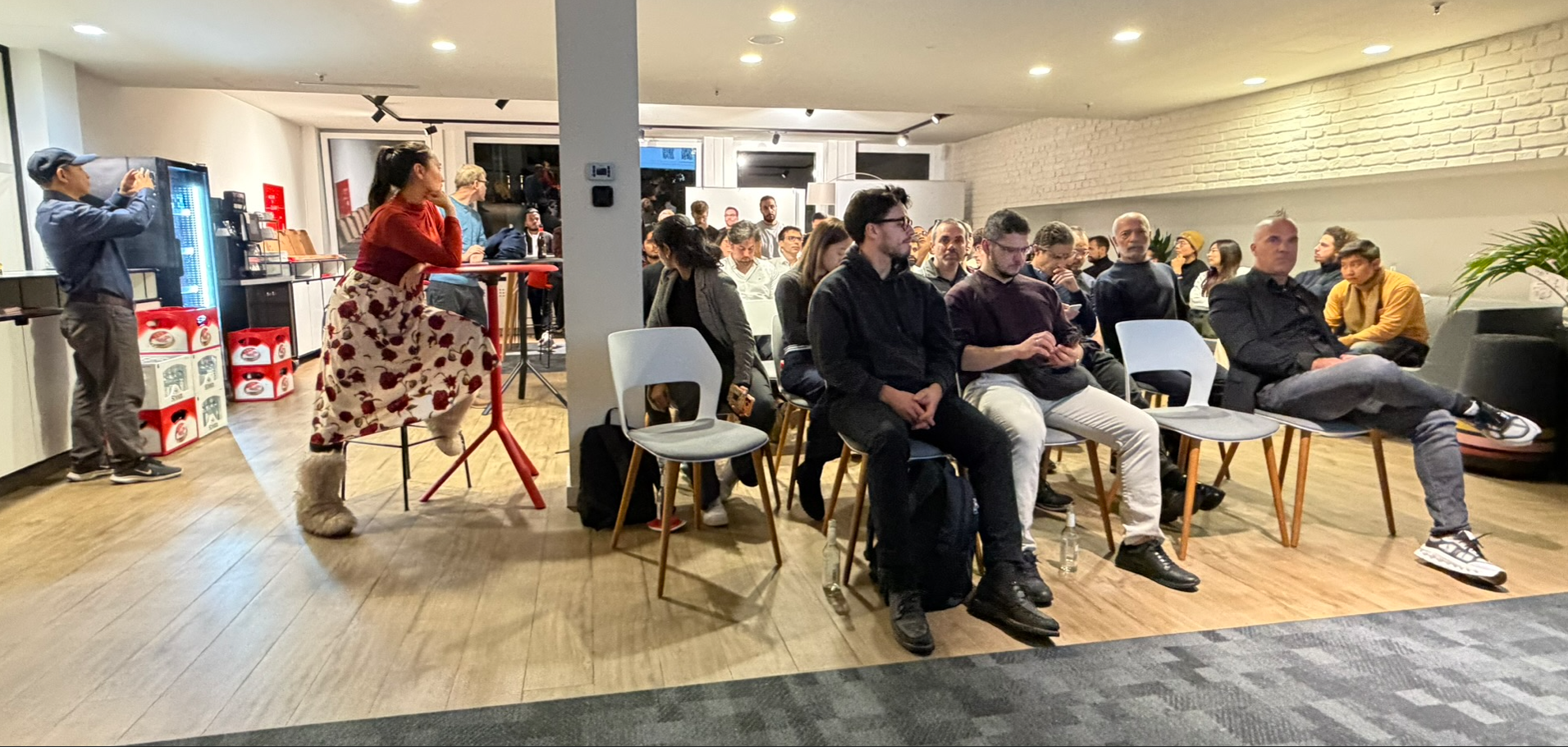
Nearly 60 developers, software architects, and AI enthusiasts gathered at Börsenplatz to discuss current topics.
Agenda
Tech talk 1
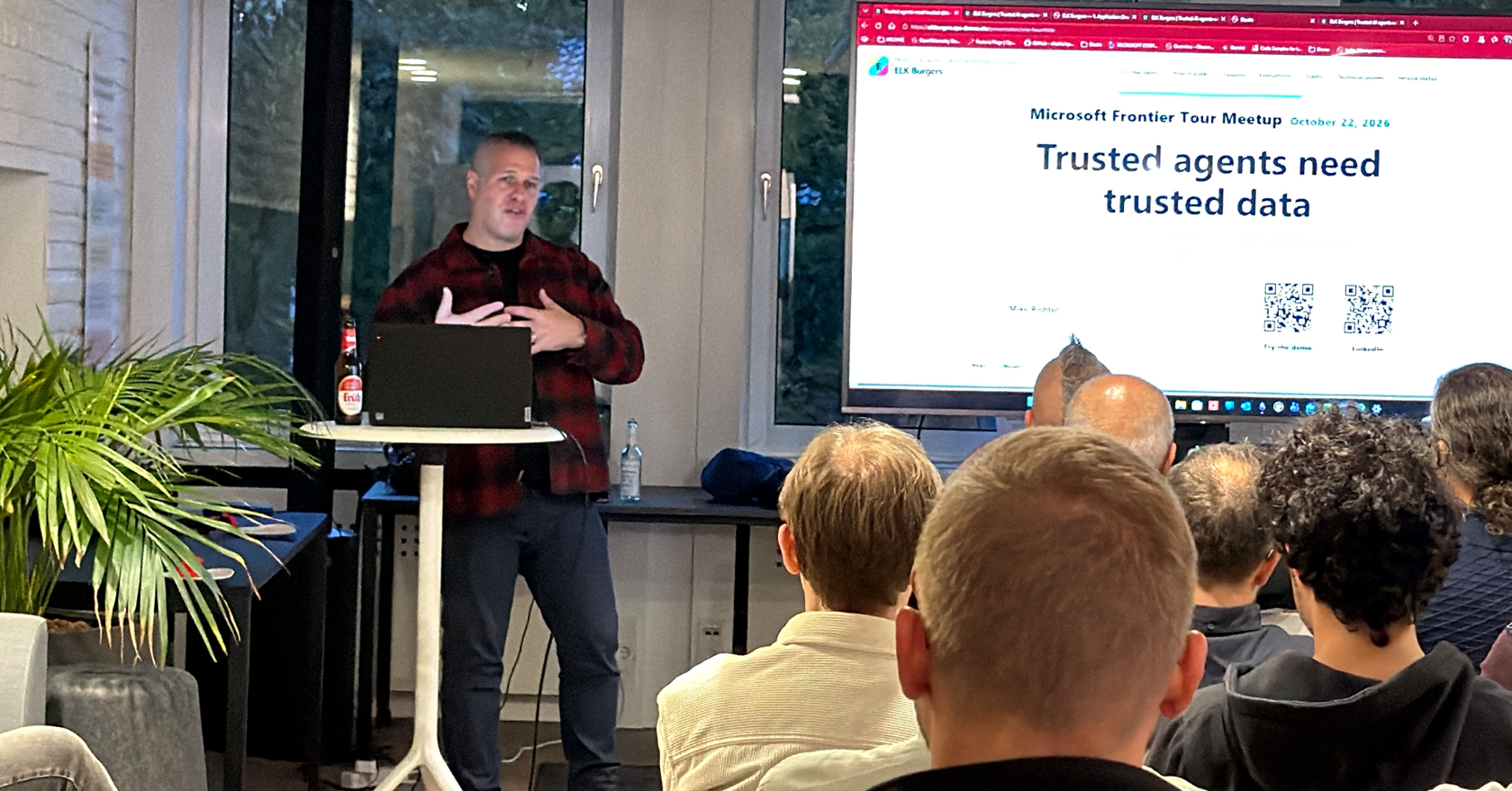
Ship Agents, Pass Risk Review – Microsoft Foundry + Elastic on Azure by Mike Richter, Principal Partner Solution Architect, Microsoft
In this session, I’ll share how I built ELK Burgers, an agent-governance demo using Microsoft Foundry Hosted Agents and Elastic on Azure, and the lessons learned moving toward production readiness. Using synthetic contracts and operating manuals for a fictional restaurant chain, we’ll ask the same question of an intentionally over-permissioned assistant and four agents scoped for different jobs.
Tech talk 2
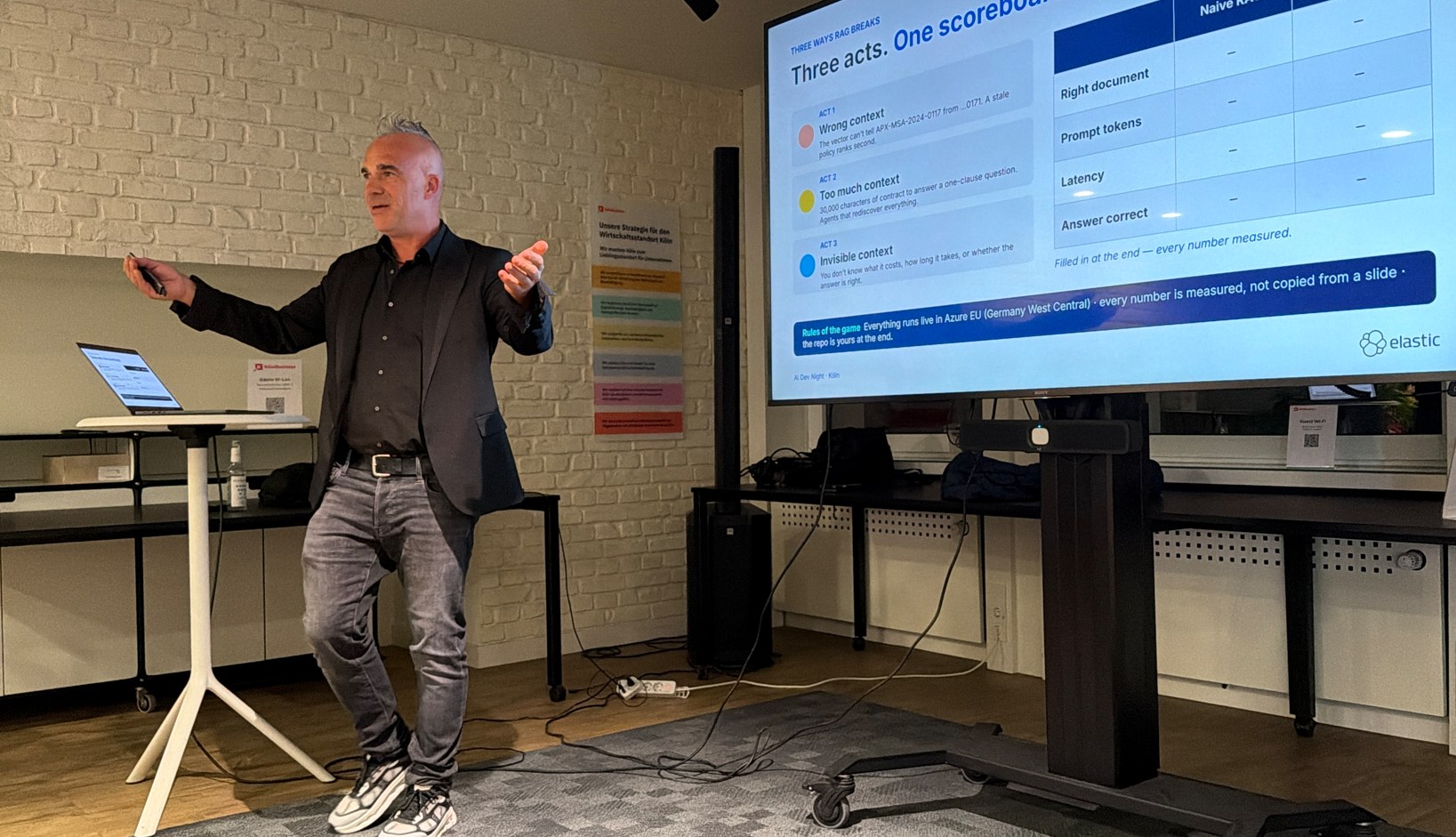
RAG is Broken – How Elastic & Azure Fix Context, Latency, and Token Bills, by Francois Protopapa, Principal Solutions Architect, Elastic
Scaling Generative AI from a promising PoC to enterprise-grade production is where many digital initiatives hit a wall. Unpredictable Azure OpenAI token costs, creeping response latencies, and inaccurate context delivery actively threaten project ROI and user adoption. Relying on pure vector search is no longer enough to support business-critical operations.
In this session, we will explore how advanced Context Engineering and Elastic’s hybrid retrieval optimize context accuracy – drastically cutting prompt size, response latency, and cloud API overhead. Furthermore, learn how Elastic LLM Observability (built on OpenTelemetry) delivers total operational visibility, allowing leaders to track token spend, monitor accuracy, and govern AI investments on Azure in real time.
Open discussion
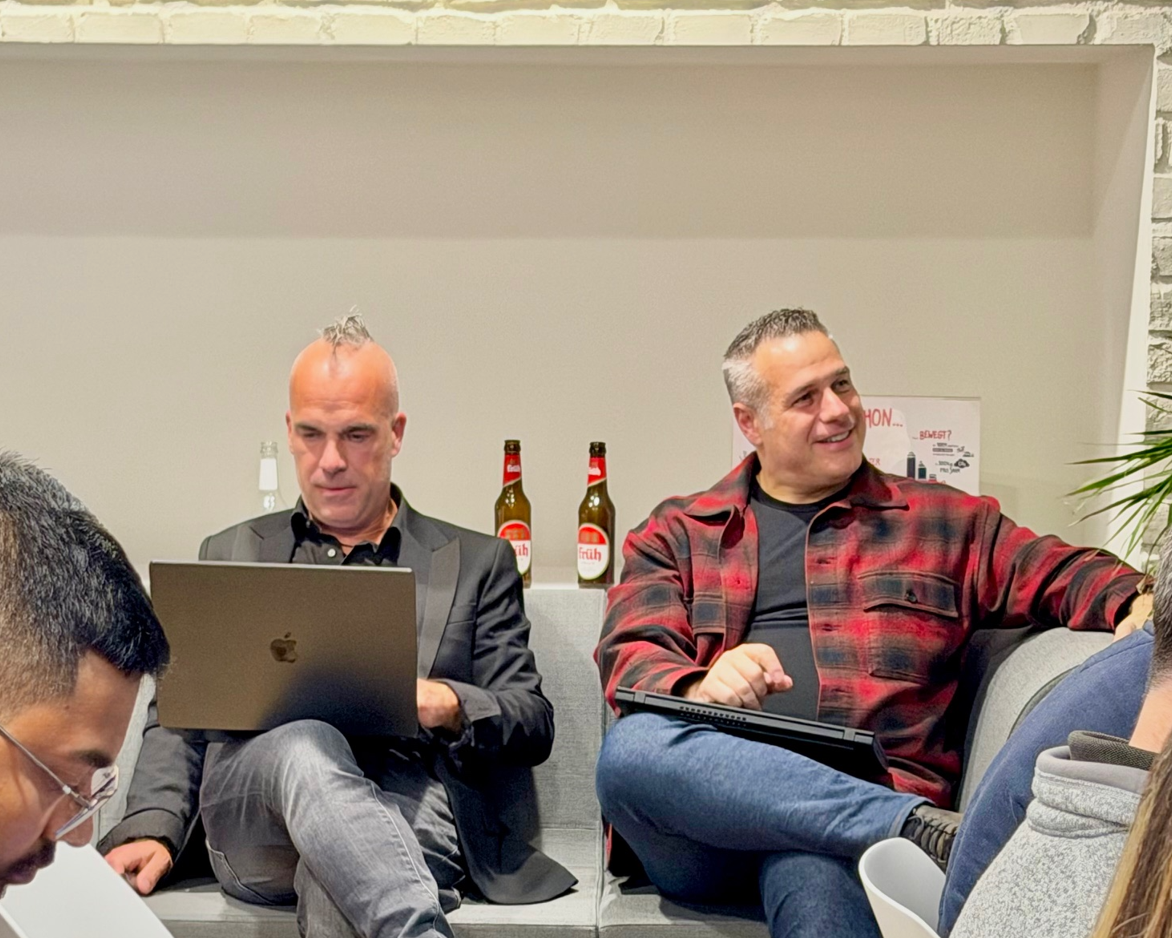
Over pizza, cold drinks, and cappuccino, the participants discussed the topics and decided to definitely continue offering this practical, hands–on format for AI and ML developers and anyone else interested in the future.
Mike presented Ship Agents, Pass Risk Review, demonstrating an agent-governance approach with the ELK Burgers demo. Using synthetic contracts and operating manuals for a fictional restaurant chain, he compared an intentionally over-permissioned assistant against four tightly scoped agents. The session highlighted practical lessons for building production-ready hosted agents that satisfy risk and compliance reviews.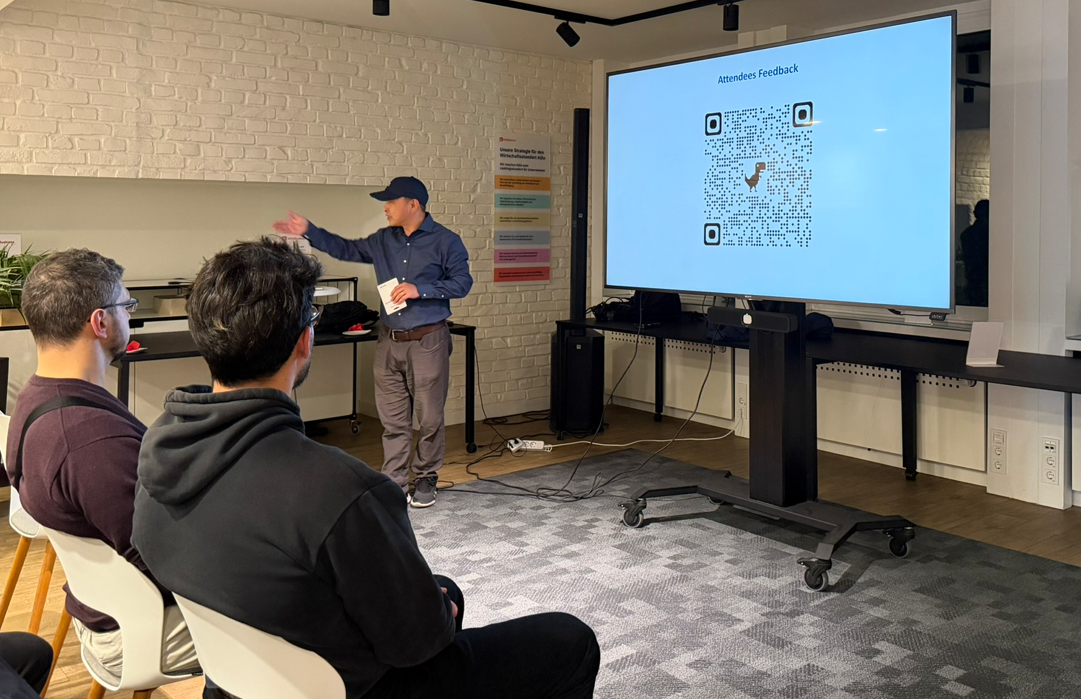
Francois addressed RAG is Broken, focusing on the real-world barriers of scaling GenAI: unpredictable Azure OpenAI token costs, rising latency, and poor context quality. He showed how advanced context engineering combined with Elastic’s hybrid retrieval improves accuracy while sharply reducing prompt size, response times, and cloud API spend. The talk also covered Elastic LLM Observability (built on OpenTelemetry) for real-time visibility into token usage, accuracy, and overall AI investment governance on Azure.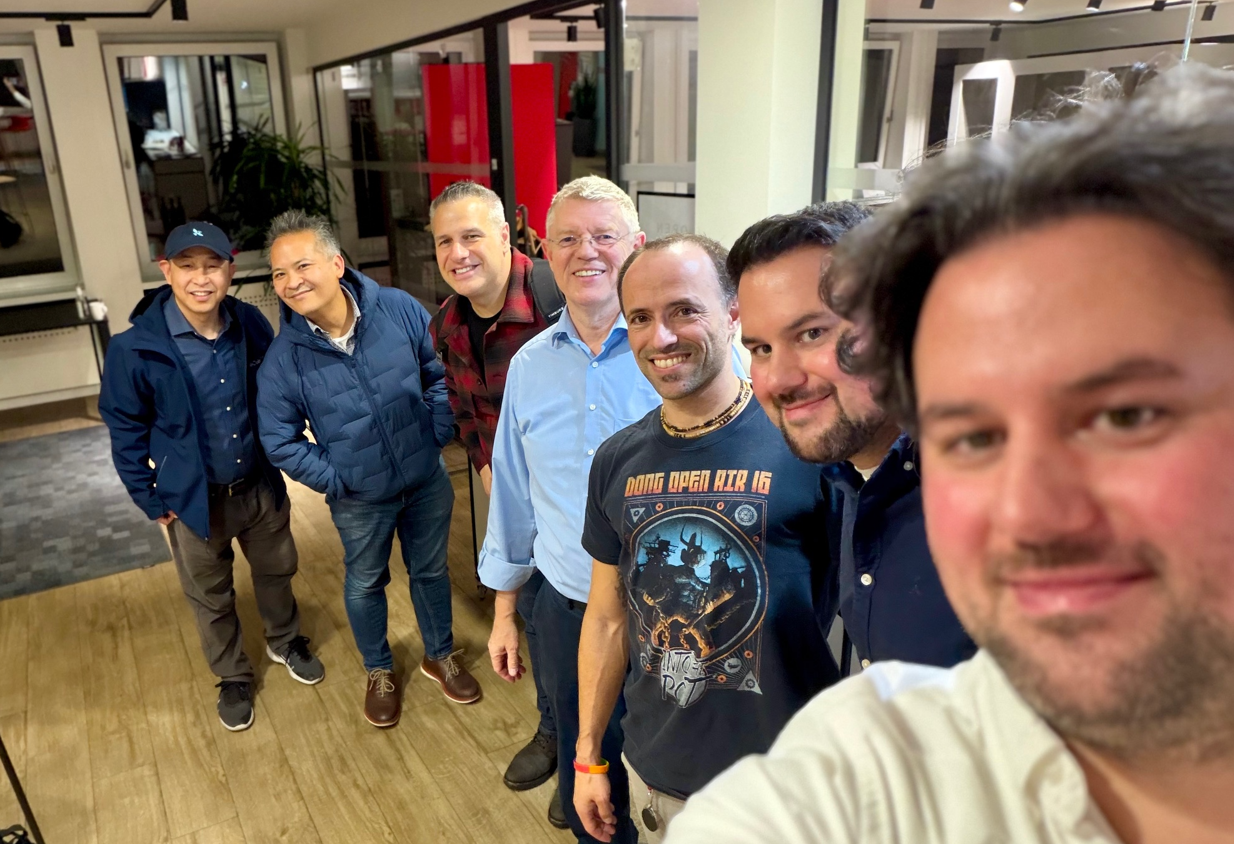
Together, the talks illustrated a practical path from agent governance and scoped permissions to optimized retrieval and observability – enabling more reliable, economical, and controllable AI systems on Azure.
Videos
Mike Richter
Francois Protopapa
Further information
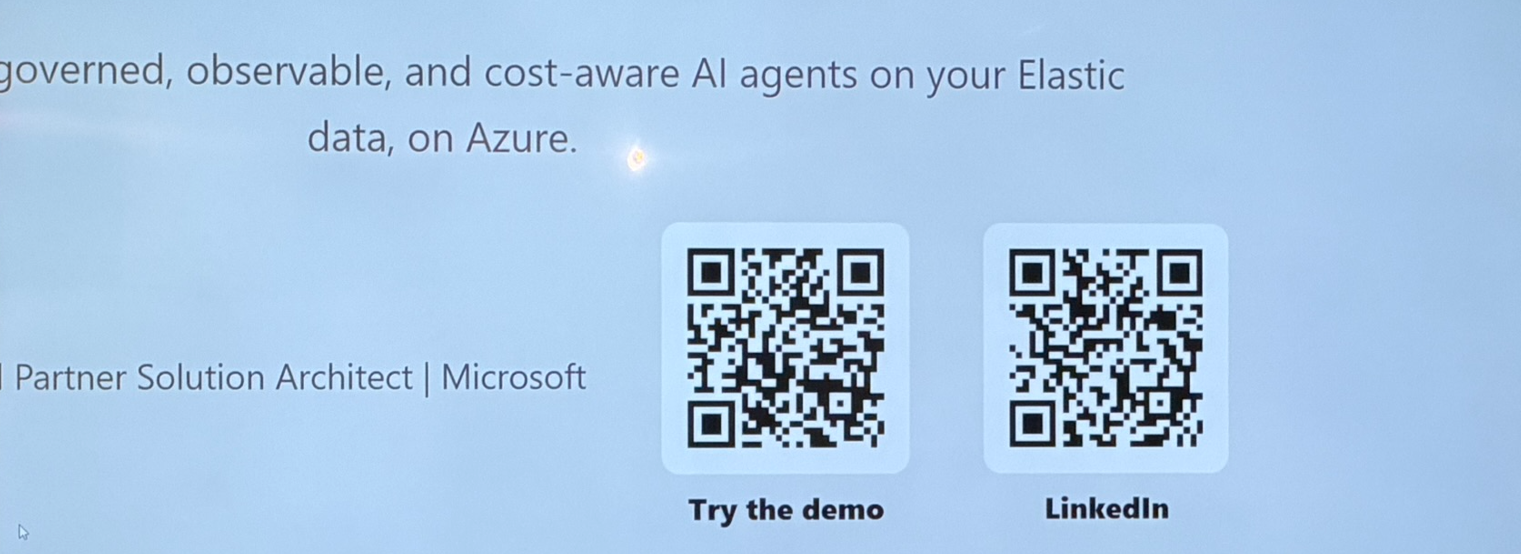
www.aicamp.ai/event/eventdetails/W2026102210

AI camp community
We’re excited to meet you at the next AIcamp in Cologne and to be part of this amazing global AI community. We’re looking forward to many more inspiring events, great conversations, and collaborations.
Acknowledgements
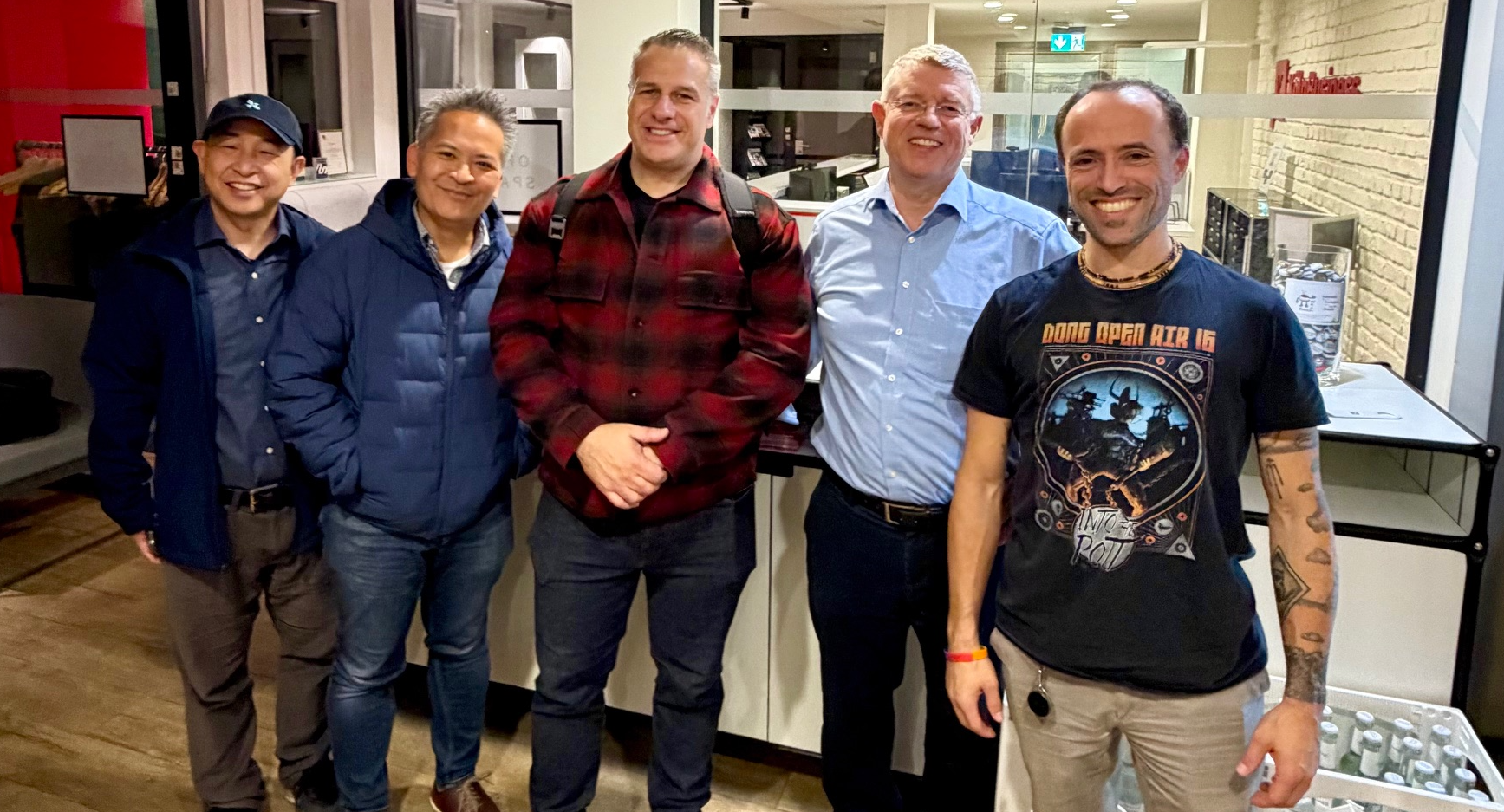
We would like to thank our host, Dr. Cédric Reuter of the Cologne Business Development Agency (KölnBusiness), as well as Bill Liu (left), the organizer of this first–class, high–profile event for AI developers.